
Wigs, a signature prop, and one bold makeup or jewelry detail finish most Halloween costumes, and masks, hats, gloves, tights, and footwear round them out. Filter every pick for flame resistance and soft, flexible props, as the CPSC advises. Browse our collections at HeroCosShop for costume ideas.
TL;DR:
- Choose one high visibility item, one identity cue, and one finishing detail; a witch might pair a tall hat, broom, and dark lipstick.
- Test masks before buying: they should preserve side vision and breathing room, and costume masks should not be worn over protective cloth masks.
- For nighttime outings, add reflective material to both the front and back of costumes, and give children a flashlight or glow sticks.
- Bulky padding can interfere with car seat harnesses, so children should change into costumes after arriving rather than ride in them.
- For children wearing warm layers, size up clothing; choose a mask or crown by true measurements so it stays in place.
Table of Contents
- 1. Which accessory types define a costume?
- 2. How to choose accessories with the rule of three
- 3. Which last-minute accessories transform you in 15 to 30 minutes?
- 4. Which wardrobe staples double as costume anchors?
- 5. Where can you get accessories fast and cheap?
- 6. How do you pick the right size and fit for wearable accessories?
- 7. How should you clean and store costume accessories?
- 8. What DIY and custom accessories make a costume unique?
- 9. How do you match accessories to a specific theme or character?
- 10. Why do curated accessories beat random add-ons?
- 11. Which HeroCosShop collections finish your look fast?
- FAQ
- Sources
1. Which accessory types define a costume?
A costume reads as a character mostly because of its accessories, not its base outfit. A plain black dress is just a dress until you add a pointed hat. Here is what each category does and how to pick well.
- Wigs: Color, cut, and silhouette change who you are in seconds. A bright bob reads as a different character than long, wavy hair. Check the cap size and tug gently on the fibers before you commit, and keep any wig well away from candles and open flames.
- Masks and eye pieces: These are identity shorthand, but they must allow full vision and breathing room. If you can't see to the sides or feel stuffy, skip it.
- Props and handhelds: A wand, book, toy weapon, or bag tells people who you are at a glance. Choose soft, flexible versions, since the CPSC says costume swords and knives should be soft and bendable.
- Belts, jewelry, and badges: These signal era and role. A sheriff's badge, a pirate's sash, or a royal tiara does a lot of work. Be wary of nickel in cheap metal pieces if your skin is sensitive, because nickel in belts, wands, and tiaras can cause allergic skin reactions.
- Makeup and temporary tattoos: A painted scar, glittery cheekbones, or a sleeve of fake ink is the finishing detail that makes a look feel complete. Test any product on a small patch of skin beforehand.
- Hats, crowns, and headbands: The fastest silhouette change there is. Tie hats and scarves securely so they can't slip over your eyes.
- Tights, stockings, and gloves: Fishnets, striped stockings, lace gloves, and leather gloves reinforce a theme through texture.
- Footwear: Shoes set your proportions, so pick pairs that match the character but let you walk comfortably for hours. Boots with a little shaft detail or buckles often do more than a full shoe cover.
Think of this list as a menu, not a requirement. Most great costumes use a few of these categories, not all of them.
2. How to choose accessories with the rule of three
Overthinking is what stalls most costume plans, so use a simple rule: pick one high-visibility item, one identity cue, and one finishing detail. For a witch, that might be a tall hat (visible), a broom (identity), and dark lipstick (finish). For a pirate, try a bandana, a toy cutlass, and a gold hoop earring. Three well-chosen pieces beat ten random ones.
Then run every pick through a quick safety check.
- Flame resistance: Under the Flammable Fabrics Act, retail costumes should be flame resistant, and the CPSC notes that synthetic fabrics such as nylon or polyester resist flame better than flimsy, billowing materials. Keep capes and long skirts clear of open flames.
- Vision and ventilation: Masks should leave your sight lines open. A costume mask is also not a substitute for a protective cloth mask, and CPSC and CDC advice says not to wear one over a protective mask.
- Fit: Avoid overly long or baggy pieces that make you trip.
- Visibility after dark: Consumer Reports suggests lighter colors or reflective material on the front and back, plus a flashlight or glow sticks for kids.
- Car seats: Bulky padding can interfere with harness straps, so change into the costume after arrival if needed.
- Secondhand finds: Wash dusty or hand-me-down pieces in hot water before anyone wears them.
Pro Tip: Before you buy or leave the store, check three things: a flame-resistance label, the return policy, and the delivery lead time.
3. Which last-minute accessories transform you in 15 to 30 minutes?
When time is short, skip the full costume and lean on one strong prop plus one key clothing piece. These steps work for most characters.
- Pick one anchor prop. A book, a wand, a toy instrument, or a plush sidekick signals your character better than any amount of extra layers.
- Pair it with a clothing staple. A striped shirt, a trench coat, or an all-black outfit gives the prop a clear context.
- Swap your hair. A bright wig or a simple headpiece shifts your silhouette and hair color quickly.
- Add one bold makeup change. Painted freckles, a dramatic lip color, or a temporary tattoo is enough to cue recognition.
- Pack a fix kit. Carry safety pins, double-sided tape, mini glue, and a small mirror so one broken strap doesn't end your night.
For more ideas, see our one-prop movie character guide, our 15 to 30 minute TV character ideas, and our accessory packing checklist.
4. Which wardrobe staples double as costume anchors?
Your closet already holds half a costume. A few small tweaks turn everyday pieces into recognizable looks.
- Leather jacket: Add slicked hair and sunglasses for a greaser or rock star.
- Striped shirt: Pair it with a beret and a painted mustache for a mime or sailor.
- Fishnet tights: Combine them with a dark dress, heavy eyeliner, and a bat headband.
- Scarves: Tie one as a head wrap or sash for a pirate, fortune-teller, or adventurer.
- Platform shoes: Instant height and drama for a glam rocker or a doll.
If you borrow or thrift any of these, wash and inspect them first. Dusty items can trigger allergies, and a quick check for loose threads or sticky zippers saves a mid-party emergency.
5. Where can you get accessories fast and cheap?
Different channels fit different timelines, so match the route to your calendar.
- Party and seasonal costume shops: Best for same-day pickup and last-minute runs.
- Online costume retailers and marketplaces: Wider selection and themed pieces, but watch shipping lead times closely.
- Thrift stores and your own closet: Unique finds at the lowest cost, with a little digging.
- Before you pay: Confirm delivery time, the return policy, and flame-resistant labeling.
6. How do you pick the right size and fit for wearable accessories?
A great accessory that doesn't fit becomes a distraction, so measure before you buy. For wigs, measure around your head at the hairline and compare it to the cap size listed. Many wigs have adjustable straps inside, but a cap that is too tight gives you a headache, and one that is too loose slides around. Wear a wig cap or tuck your hair flat underneath for a smoother look.
For hats and headbands, check the circumference and the depth. A tall hat can feel top-heavy on a small child, so test it with a quick head turn. Tie or clip it so it can't drop over the eyes.
For gloves and tights, look at the size chart rather than guessing. Stretchy fabrics forgive a lot, but gloves that are too long can hide your fingers and make it hard to hold a prop. Tights that sag at the knees ruin an otherwise sharp outfit.
Belts and jewelry should sit comfortably without pinching. If you are buying for a child, choose pieces that are lightweight and easy to remove. Footwear needs the most care: put on the socks or tights you'll actually wear, and walk around the room before you commit. Avoid anything that makes you trip, and skip long, baggy pieces, as CPSC and CDC advice warns about trip-and-fall risks.
When in doubt, size up for kids who may wear a warm layer underneath, and size to the true measurement for anything that must stay in place, like a mask or crown.
7. How should you clean and store costume accessories?
Good storage turns this year's accessories into next year's savings. Start with cleaning: wipe plastic props and masks with a damp cloth and mild soap, then let them air dry fully. For fabric pieces, check the care label, and wash hand-me-down items in hot water if the fabric allows it, since dusty costumes can trigger allergies.
Wigs need gentle care. Brush them from the ends upward with a wide-tooth comb, and store them on a stand or loosely in a bag so the fibers don't tangle or flatten. Keep them away from heat sources, which can melt synthetic strands.
Hats and crowns hold their shape best when stuffed with tissue paper and stored in a box where nothing can crush them. Store foam or rubber props flat or hanging, away from sunlight, which can fade color and make material brittle.
Metal jewelry and belt buckles stay shiny in a small pouch or zip bag with a silica packet to absorb moisture. Gloves and tights should be washed, dried, and rolled or folded, not stuffed into a corner where they snag.
Label a bin by costume, and tuck in a note with what each piece pairs with and any quick repairs it needs. A clear, dry, cool bin beats a damp garage every time. Before you pack away, do a quick check for loose stitching, cracked paint, or missing pieces so next year starts with a ready-to-wear kit.
8. What DIY and custom accessories make a costume unique?
A little handwork turns a store-bought base into something no one else has. Start with a simple prop: paint a cardboard sword silver, wrap a stick in ribbon for a wand, or cover a shoebox in fabric for a treasure chest. Foam sheets are easy to cut and soft, which keeps props flexible and safe.

For headwear, add feathers, felt flowers, or ribbon to a plain headband or hat. Glue on a few buttons or beads for texture. Craft felt is forgiving and doesn't fray, so it works well for ears, horns, or crown points.
For jewelry and accents, thread beads on elastic for a bracelet, or cut a badge from cardstock and pin it on. If you want a custom look without nickel exposure, choose plastic, fabric, or coated pieces, since nickel in metal accessories can cause skin reactions.
Makeup is DIY too. Practice a scar, a glitter pattern, or painted stripes on your arm a few days before to see how it looks and how your skin reacts.
If you want to stay on budget, see how an under $15 prop can anchor a whole look. The trick is to personalize one element, such as a custom patch, a handwritten tag, or a signature color, so your costume feels like yours and not like everyone else's.
9. How do you match accessories to a specific theme or character?
Start by naming the one trait people should notice first, then choose accessories that point to it. For a superhero, that might be a cape and a mask. For a vampire, it could be a high collar and fangs. For a clown, think wig, nose, and oversized shoes.
Study a reference image and list the three most recognizable items. Those become your priority buys. Everything else is optional. If a character is known for a color, repeat it across two or three pieces so the palette reads clearly from far away.
Match the era and role too. A medieval knight needs a tabard and a shield, not a modern watch. A 1920s flapper needs a headband and long beads. Small details like these signal that you know the character.
Keep the theme consistent in tone. A scary costume pairs best with dark makeup and dramatic props, while a cute one leans on bright colors and soft shapes. Don't mix a horror mask with a sparkly wand unless the contrast is the joke.
Finally, think about movement. If your accessory has to be carried all night, choose something light. If it must stay on, test it by walking, sitting, and dancing. Our themed collections can help you explore looks by character and style.
10. Why do curated accessories beat random add-ons?
Accessories are the quickest route to recognition, and a matched set almost always looks more authentic than a pile of mismatched extras. We build HeroCosShop around authenticity and detailed design. Before the big night, rehearse your look once, sit down, walk, and reach for something, then pack a small repair kit so a loose strap never ruins your evening.
— zz
11. Which HeroCosShop collections finish your look fast?
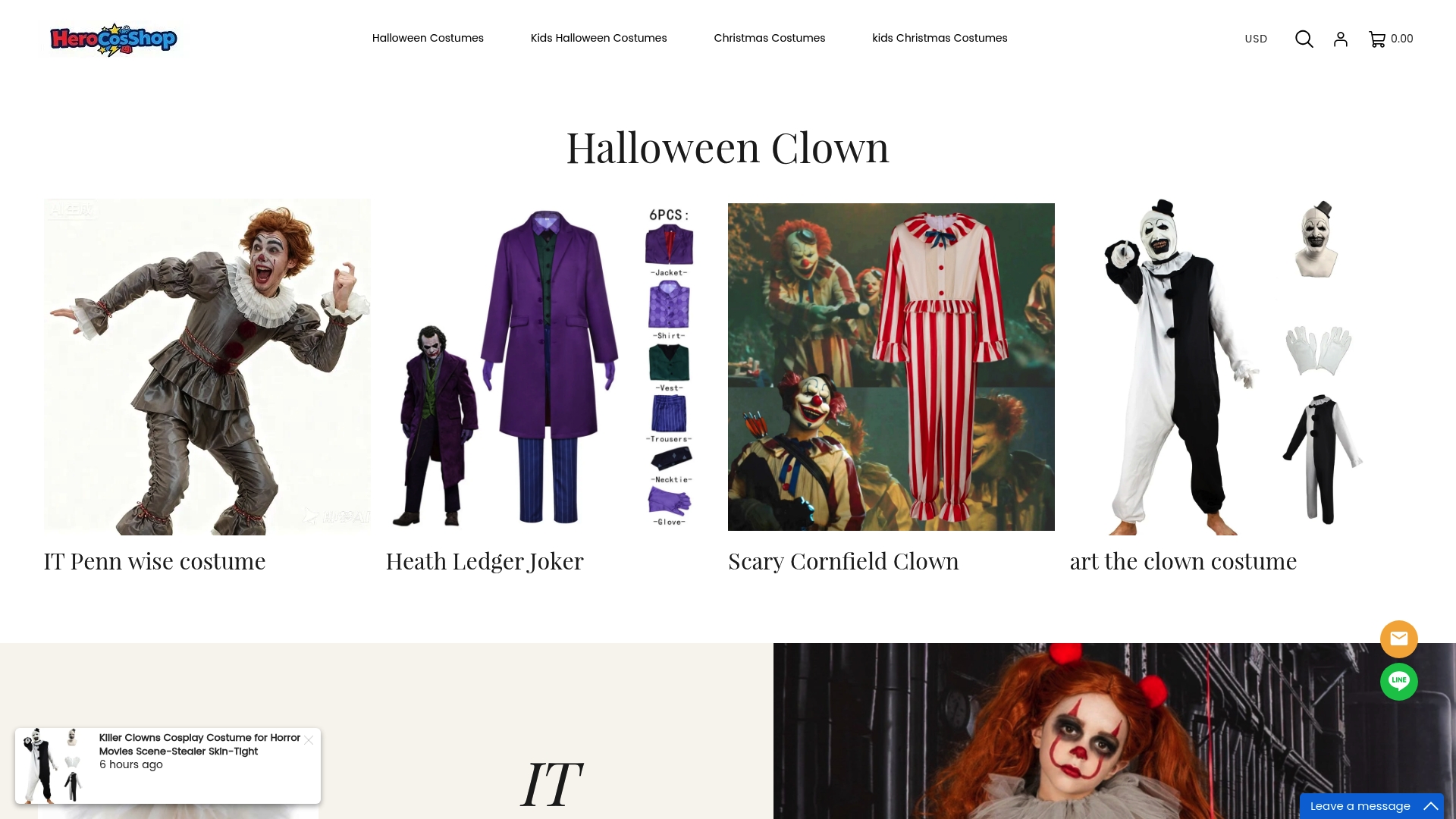
We carry costume collections for adults and kids, along with themed ranges for horror, clowns, and the holidays. Start with our Halloween costumes for adults, check the kids Halloween collection for child-sized pieces, or browse everything on our collections page. Check sizing and the return details before you order, and pick your three pieces today.
FAQ
What is a costume accessory?
A costume accessory is any add-on that completes or defines a look, such as a wig, mask, hat, prop, jewelry, gloves, or makeup. It helps people recognize your character quickly. Safe choices are flexible, flame resistant, and easy to see out of.
Where can I buy cheap costume accessories?
Party stores, online costume retailers, and thrift shops are the usual budget routes. Your own closet is the cheapest option of all. Always check shipping time, return policy, and flame-resistant labeling before you buy.
What are some things to dress up as for Halloween?
Pick a character you can recognize with just three items, such as a witch, pirate, vampire, superhero, or clown. A single strong prop and a wig or hat can carry the whole look. Movie and TV characters work well when one accessory is iconic.
What materials are commonly used for cosplay?
Cosplay commonly uses foam, craft felt, fabric, plastic, and paint for props and accessories. Foam and felt are light and flexible, which suits the CPSC advice that costume props should be soft and bendable. Choose flame-resistant fabrics for wearable pieces.