
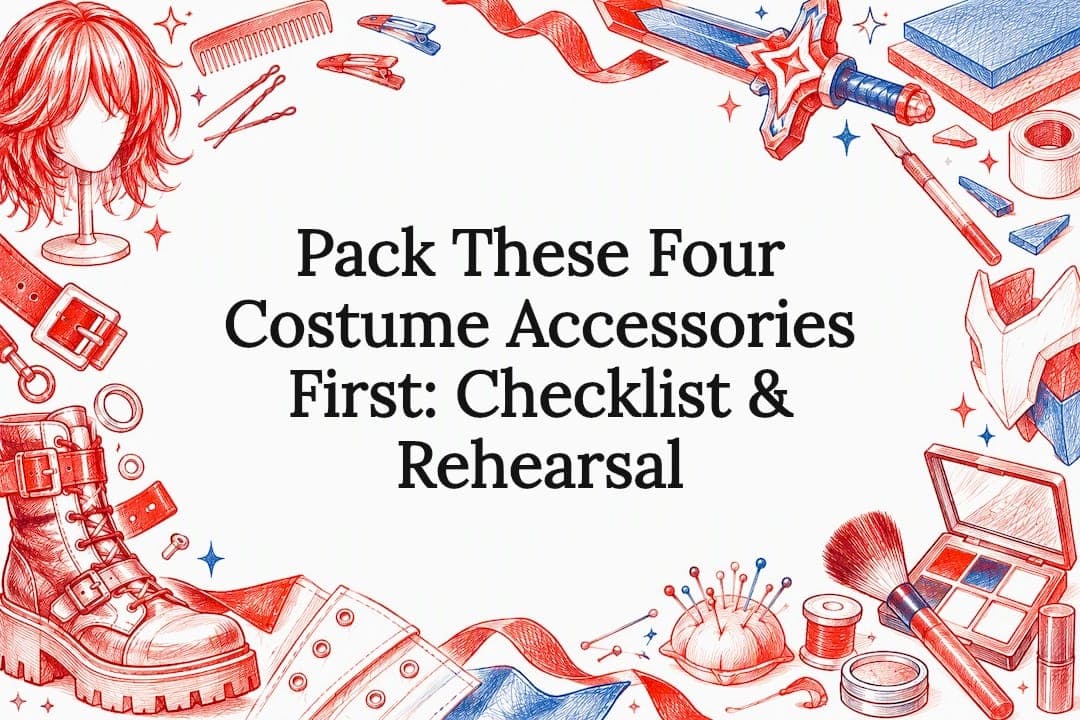
A complete costume relies on four things above all else: the defining garment or prop, footwear you can actually walk in, a visibility or safety item like reflective trim or a flashlight, and a small repair kit for on-the-spot fixes. Everything else, from wigs to weather layers, builds comfort and polish around that core. We put together ready-made costumes and accessory kits at HeroCosShop for exactly this kind of fast, complete planning.
TL;DR:
- Focus on securing the main garment or prop, matching footwear for comfort, and adding visibility items to ensure safety and recognition.
- Organize accessories by zones and pack must-have items separately to prevent losing critical pieces and streamline dressing.
- Check fabric flame resistance and visibility enhancements, and conduct a trial run to identify mobility issues before the event.
- Use quick fixes like duct tape, safety pins, and clip-on lights to address costume breaks or time constraints efficiently.
- Store and label costume components properly to extend their lifespan and simplify assembly for future use.
- ✓Halloween costumes for children
- ✓Christmas costumes for children and adults
- ✓Film and pop culture character costumes
- ✓Horror film character costumes
Table of Contents
- 1. Build your checklist in three priority tiers
- 2. Adjust the list for cosplay, kids, groups, and quick party looks
- 3. Safety, materials, and health basics you shouldn't skip
- 4. Run a dress rehearsal before the big day
- 5. Quick fixes when something breaks or time runs short
- 6. Storage and care tips for costume accessories
- 7. Organizing accessories to streamline costume assembly
- 8. Budgeting for costume accessories
- 9. Our take on costume planning that actually works
- Find the pieces on your checklist in one place
- FAQ
- Sources
1. Build your checklist in three priority tiers
Sorting accessories into must-have, useful, and optional tiers turns a sprawling shopping list into something you can budget and pack in order. Must-haves make or break the costume; useful items add comfort and convenience; optional extras are the finishing touches you add once everything else is covered.
Must-have:
- Main garment or defining prop (the single item that makes the character recognizable)
- Footwear that matches the look and lets you walk normally
- Closures and fasteners (velcro, snaps, safety pins) that keep pieces attached
- A visibility or safety item: reflective tape or a flashlight for evening events
Useful:
- Wig, hat, or headpiece
- Makeup or a well-fitted mask
- Underlayers for warmth or modesty
- Insoles or padding for all-day comfort
- A weather layer (jacket, leggings) that layers under or over the costume
Optional:
- Extra props or accessories for photos
- A second pair of shoes for walking versus standing
- Storage and transport bags for props and layers
- Lay out every piece by zone (head, torso, lower body, feet, props, repair kit).
- Pack a small go-bag with the must-have tier so those items never get buried in a larger costume bag.
- Check materials before you buy: look for a Flame Resistant label, and favor nylon or polyester over flimsy fabrics, since the CPSC notes these synthetics tend to resist flame better, though any fabric can burn on contact with an open flame.
- Do a quick fit check: nothing should drag on the ground, and vision through a mask should be unobstructed.
Pro Tip: Keep your go-bag separate from your main costume bag so the four must-have items are always within reach, even if the rest of your gear gets packed last.
2. Adjust the list for cosplay, kids, groups, and quick party looks
The master checklist above works for any costume, but each type has its own pressure points.
- Cosplay: Match wig color and style closely to the character, choose lightweight and flexible materials for large props so they survive handling, and use strong adhesives or fasteners rather than hoping pins hold through a convention day. Transport fragile props separately, padded and upright, rather than stuffed into a costume bag.
- Kids and family costumes: Add reflective tape or glow sticks for visibility, confirm shoes actually fit and won't slip off mid-walk, and consider face paint instead of a mask so a child's vision and breathing aren't restricted. If you're driving to the event, plan to transport kids in regular clothes and change at the destination.
- Couples and groups: Coordinate accent colors and bring spare versions of small shared props so one lost piece doesn't throw off the whole group's look.
- Last-minute or party costumes: Build around one statement accessory, a distinctive hat, bold glasses, or a single recognizable prop, paired with comfortable neutral shoes. A little face paint or a borrowed accessory can fake the rest of the detail in minutes.
3. Safety, materials, and health basics you shouldn't skip
Costume safety comes down to a few repeatable checks, and they're backed by consistent guidance from federal and consumer safety sources.
Flame resistance: The CPSC advises choosing costumes, wigs, and beards labeled "Flame Resistant" and notes that synthetic fabrics like nylon and polyester tend to hold up better than flimsier materials, though any fabric can ignite on contact with an open flame. Keep costumes away from candles, jack-o'-lanterns, and other open flames regardless of the label.
Visibility: Consumer Reports points out that most pedestrian deaths happen after dark and recommends trick-or-treating before full darkness, adding reflective tape, and carrying a flashlight.
Most pedestrian deaths occur after dark, so trick-or-treating earlier in the evening and adding reflective materials or a flashlight meaningfully improves visibility.
Masks versus makeup: The CPSC recommends costumes that fit well and masks with eyeholes that allow full vision, or swapping a mask for makeup when vision is a concern. On that note, Consumer Reports warns that some store-bought face paints raise safety concerns and suggests avoiding the darkest pigments or mixing safer DIY alternatives.
Car seats: Bulky, padded costumes can interfere with a car seat harness fit, so it's safer to transport young children in regular clothes and change into costume at the event.
4. Run a dress rehearsal before the big day
Putting the entire outfit on ahead of time, every layer and prop included, catches problems that a quick mirror check misses. Walk, climb a few stairs, sit down, and reach overhead to test mobility and spot pinch points or pressure that builds over time.
- Put on every layer and prop together, not piece by piece.
- Walk, sit, climb stairs, and reach to confirm nothing restricts movement or creates a trip hazard.
- Stress-test prop attachments (magnets, velcro, glued seams) by performing the motions you'll actually make that night, not just standing still.
- Pack a kit: sewing supplies, safety pins, double-sided tape, spare batteries, stain wipes, basic pain relief, duct tape, spare shoelaces, a small multi-tool, and a garment bag for transport.
- Wrap fragile props separately and plan a carry position that keeps them protected en route.
Pro Tip: Secure props last, after everything else is on, so you don't damage delicate pieces while wrestling with zippers and laces.
5. Quick fixes when something breaks or time runs short
- Duct tape fixes a dragging hem fast; safety pins back up any closure that's come loose.
- Double-sided tape smooths wig edges and holds hems without stitching.
- Use hot glue sparingly for quick prop repairs, and let it cool before handling.
- One statement hat, a pair of distinctive glasses, or a single bold prop can turn everyday clothes into a costume in minutes.
- Boot covers or fabric ankle wraps disguise regular shoes when character footwear isn't available.
- Clip-on lights, glow sticks, and reflective tape strips add visibility in seconds.
When you're short on time, strip the look down to what's safe and mobile first, then add detail back in if there's time left.
6. Storage and care tips for costume accessories
Costume pieces last longer when they're stored the way you'd store any good clothing or craft item. Hang garments in a breathable garment bag rather than a sealed plastic bin, which traps moisture and can warp synthetic fabrics over time. Store wigs on a stand or in their original box to keep the shape, and keep makeup and face paint sealed and away from heat.
Small props and accessories do best sorted into clear bins or labeled pouches by costume, so you're not hunting through a mixed box next season. Wipe down plastic or foam props before storing them, since dirt and oils left on the surface can degrade materials over months of storage. Check elastic bands, velcro, and snaps each season since these wear out faster than the fabric around them, and replace them before the next event rather than discovering the failure mid-walk.

Keep your repair kit stocked separately from your costume storage so it's ready to grab for the next event without a last-minute scramble. A little care between uses means accessories you buy once can serve multiple years, multiple events, or get repurposed into a different look entirely.
7. Organizing accessories to streamline costume assembly
The same zone system that works for packing works even better for long-term organization. Group everything by body zone, head, torso, lower body, feet, and props, so you can lay out a full costume in minutes instead of searching drawers piece by piece.
Label bins or bags by costume name rather than by item type if you reuse costumes across multiple events, since that keeps related pieces together even when they're different categories of object. A clear plastic shoebox works well for small items like jewelry, buttons, and fasteners that otherwise get lost at the bottom of a larger bin.
Keep a simple written or digital list of what belongs to each costume, especially for group or family outfits where pieces can get mixed up. When assembly day comes, pull everything from its zone bins onto a table in the order you'll put it on: underlayers first, then the main garment, then accessories, then props last. That order mirrors the dress rehearsal sequence and keeps delicate pieces from getting crushed while you're still getting dressed.

8. Budgeting for costume accessories
Splitting your list into must-have, useful, and optional tiers isn't just a packing tool, it's a budgeting one. Spend first on the must-have tier: the defining garment or prop, footwear, fasteners, and a visibility item, since those determine whether the costume works at all. The useful and optional tiers can wait if money is tight, or get filled in gradually as you find deals.
Reusable basics stretch your budget across multiple years: a good wig, a sturdy pair of boots, or a flexible prop base can anchor several different costumes over time with small modifications. Buying a few craft supplies, foam board, felt, hot glue, and cardstock, covers a surprising number of DIY prop and repair needs cheaply, rather than buying single-use pieces for every costume.
Compare the cost of building a look piece by piece against a ready-made costume set, since coordinated kits sometimes work out cheaper than assembling the same look from separate accessories. Either way, decide your must-have spend first, then see what's left for the finishing touches.
9. Our take on costume planning that actually works
Hierarchies beat flat shopping lists because they force a decision about what actually matters before you spend a dollar or pack a bag. The must-have, useful, and optional tiers aren't about cutting corners, they're about making sure the things that affect safety and function get secured first, while the nice-to-haves stay flexible. Checking a product's fit details and flame-resistance labeling before buying takes a few extra minutes and prevents most of the late-night scrambles this guide is built to avoid.
— zz
Find the pieces on your checklist in one place
Building a costume from scratch means chasing down a garment, footwear, a wig, and a dozen small accessories from different stores, which eats the time this checklist is supposed to save you. Our collections group coordinated costumes and accessories together, so the main garment, fasteners, and finishing pieces for a given character often come from the same listing instead of five different ones.
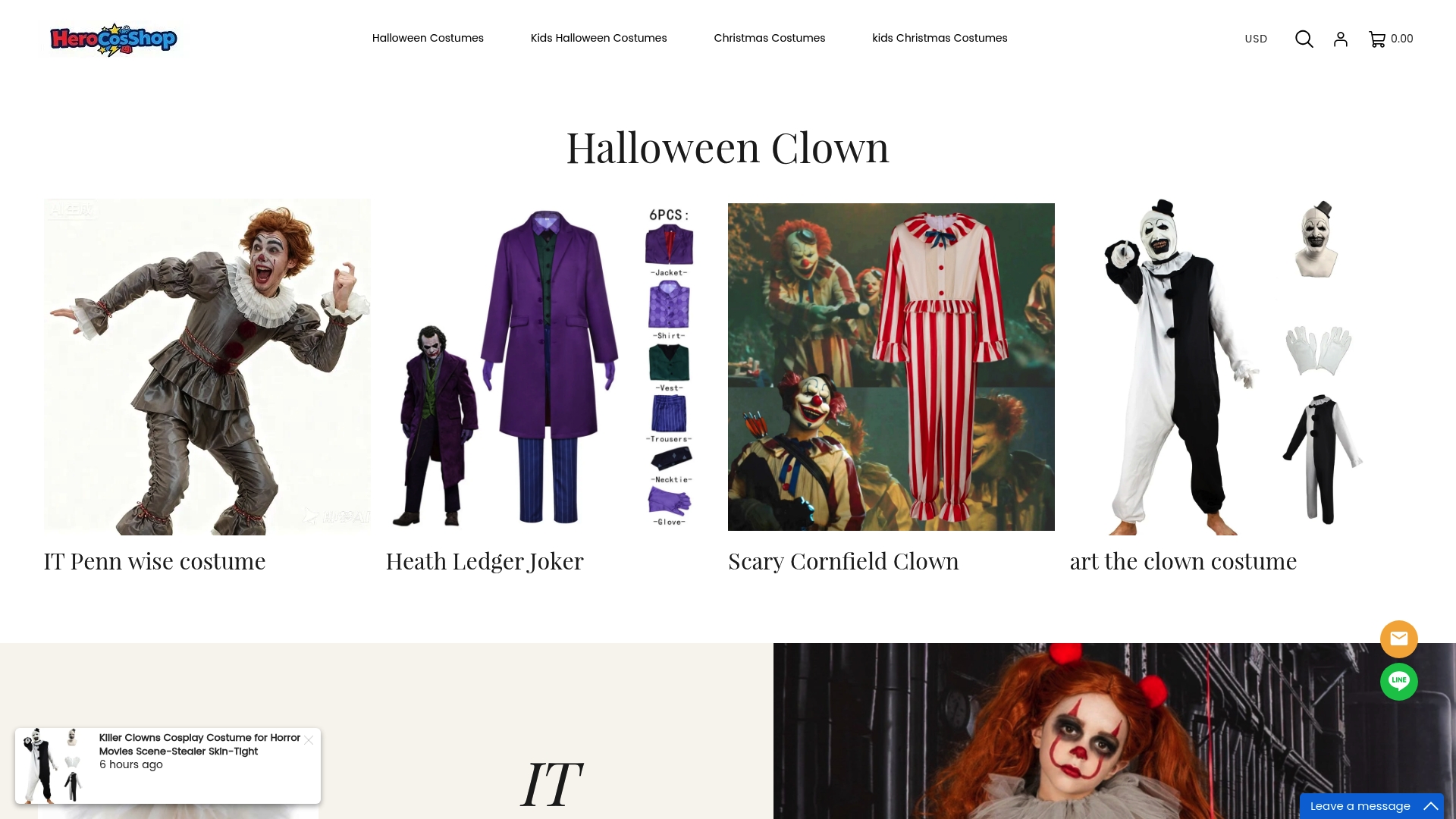
Browse our Halloween costume categories or kids' Halloween costumes for ready-made options, and check each product page for fit notes and flame-resistance labeling before you order.
FAQ
What are costume accessories?
Costume accessories are the items beyond the main garment that complete a character look, including wigs, hats, masks or makeup, footwear, props, and safety items like reflective trim. They cover function (closures, insoles, weather layers) as well as appearance.
What are the essential supplies for cosplay?
Essential cosplay supplies include an accurate wig, lightweight and flexible props, strong adhesives or fasteners for attachments, comfortable footwear, and a small repair kit for seams, glue, and tape fixes. A padded box or wrap for transporting fragile props is also considered essential by many cosplayers.
Can you give me some examples of costume props?
Common costume props include weapons replicas, wands, shields, bags, masks, and character-specific tools like a wrench or a clipboard. Lightweight, flexible materials are preferred for props that need to survive handling and travel.
What are examples of accessories?
Typical costume accessories include wigs, hats, jewelry, gloves, belts, footwear, masks or face paint, and visibility items like reflective tape or a flashlight. The right mix depends on the character, but footwear and a defining prop or garment are almost always on the list.