

The fastest way to turn a favorite character into a workable cosplay is a closet-based outfit plus one defining accessory like a wig, a headband, or a specific jacket. This guide sorts ideas into five tracks (closet, easy, budget, group, iconic) using examples like Anya Forger and Naruto, with convention-safety notes and ready-made options from HeroCosShop for anyone who would rather buy than build.
TL;DR:
- Most cosplay can be assembled from thrifted clothing, with only a few accessories or light alterations needed for accuracy.
- Wigs and makeup are crucial for character recognition, with anchoring and styling techniques ensuring a polished look.
- Safety rules vary by convention, but peace-bonding props and avoiding real weapons or dangerous items are universally required.
- The easiest character to cosplay usually features simple, recognizable outfits made from existing wardrobe pieces, like Naruto or Anya Forger.
- Personalizing your costume with small variations and confident posing makes a basic cosplay stand out more than intricate but poorly fitting builds.
Table of Contents
- 1. Choose your approach: five cosplay categories and when to use each
- 2. 30 easy anime cosplay ideas, grouped by beginner to intermediate
- 3. Budget sourcing and thrift plus DIY hacks that actually work
- 4. Wigs, makeup, and simple prop basics that make a cosplay read
- 5. Convention rules and prop safety to check before you go
- 6. Day of checklist and troubleshooting for packing, fixes, and photos
- 7. Basic sewing and crafting skills every cosplay beginner should learn
- 8. Seasonal and themed cosplay ideas for summer, Halloween, and winter
- 9. Group and couples cosplay ideas for friends and families
- 10. Photo pose ideas and presentation tips that showcase your cosplay
- 11. Resources for reference images and cosplay inspiration
- 12. Tips for personalizing your cosplay so it stands out
- 13. Publisher perspective: how we think about cosplay readiness
- 14. Shop-ready options for costume sets and accessories
- FAQ
- Sources
1. Choose your approach: five cosplay categories and when to use each
Before scrolling through character lists, figure out which lane fits your weekend. Time, sewing skill, and budget decide more about your experience than how much you love the character.
Closet cosplay works when you have almost no lead time and want to wear something recognizable quickly. You pull pieces already in your dresser, add a wig or prop, and you are done, as exemplified by Naruto's look with an orange jacket, dark pants, and a forehead protector crafted from foam.
Easy cosplay adds one small craft step, usually a wig style or a makeup detail, on top of a closet base. This is where Anya Forger lives: a short pink bob wig and a plain green dress get you most of the way there.
Budget cosplay is less about category and more about sourcing discipline: thrift racks, dollar-store foam, and fabric remnants instead of specialty costume shops. It fits anyone on a tight budget who still wants a layered look, like a simple Power outfit built from a thrifted school uniform.
Group cosplay means coordinating with friends or family around a shared series so the individual pieces read correctly as a set, like a trio dressed as different Spy x Family members.
Iconic cosplay targets instantly recognizable characters, the ones strangers will name across a convention hall without hesitation, such as L from Death Note or the spirit No-Face from Spirited Away.
For every category, prioritize the same three things in order: silhouette first, color second, one signature prop last. Get the shape and palette right and most conventiongoers will clock the character before they even notice the prop.
- Closet: zero to one hour of prep, works for last-minute trips, example: Naruto.
- Easy: one craft evening, light wig or makeup work, example: Anya Forger.
- Budget: a thrift trip plus small purchases, example: Power.
- Group: coordinated planning with others, example: a Spy x Family trio.
- Iconic: recognizable on sight, minimal explanation needed, example: L.
2. 30 easy anime cosplay ideas, grouped by beginner to intermediate
These ideas move from pure closet pulls to light sewing, so pick based on how many evenings you actually have free. Closet cosplay guides from Crunchyroll point to exactly this approach: thrifted or existing clothing plus one accessory, with Anya Forger, Naruto, and No-Face cited as reliable starting points for beginners.
Beginner group: closet cosplays
- Naruto Uzumaki: orange zip jacket, black pants, blue sandals, forehead protector cut from foam. Difficulty: very easy.
- Anya Forger: pink bob wig, plain green dress, white tights. Difficulty: very easy.
- L (Death Note): oversized white or cream shirt, loose jeans, bare feet or white socks, messy black wig. Difficulty: very easy.
- No-Face (Spirited Away): black cloak or robe, plain mask (craft foam or purchased blank mask), no visible face features needed. Difficulty: very easy.
- Killua Zoldyck: white or lavender zip-up hoodie, dark shorts, spiky silver wig. Difficulty: easy.
- Yuji Itadori: black and white varsity-style jacket (thrift substitute works), black pants, pink spiky wig. Difficulty: easy.
- Tanjiro Kamado (casual): green plaid shirt, dark pants, simple black hair with a red clip accent. Difficulty: easy.
- Mob (Mob Psycho 100): plain school uniform, bowl-cut black wig, deadpan expression optional but encouraged. Difficulty: very easy.
- Rei Ayanami: school uniform or plugsuit substitute in blue and white, short blue wig. Difficulty: easy.
- Spike Spiegel: loose blue suit jacket, yellow or mustard shirt, green pants, messy green wig. Difficulty: easy.
Easy group: small wig, prop, or makeup changes
- Denji (Chainsaw Man): school uniform or plain button shirt, orange-red messy wig, small chainsaw cord detail drawn or sewn on. Difficulty: easy to moderate.
- Power (Chainsaw Man): thrifted blazer, plaid skirt, long pink wig, drawn-on fang with lip liner. Difficulty: easy to moderate.
- Makima: red long wig, business-casual blazer and skirt, ringed eye contacts optional. Difficulty: easy to moderate.
- Misa Amane: school uniform, blond wavy wig, small handcuff prop accessory. Difficulty: easy.
- Hinata Hyuga: lavender or dark navy wig, plain zip jacket, pale eye contacts for the signature pupil-less look if desired. Difficulty: easy.
- Gojo Satou: white spiky wig, black blindfold or sunglasses, dark long coat. Difficulty: easy to moderate.
- Nezuko Kamado: pink ombre wig, pink kimono-style top (a robe works as a substitute), small bamboo prop in the mouth. Difficulty: moderate.
- Chainsaw Man (Pochita form, casual): plain white outfit with a drawn pull-cord chest detail. Difficulty: easy.
- Zenitsu Agatsuma: yellow and orange patterned top, blond spiky wig, haori jacket substitute from a thrifted kimono-style robe. Difficulty: moderate.
- Himiko Toga: schoolgirl uniform, messy blond pigtail wig, small fake syringe prop. Difficulty: easy to moderate.
Intermediate group: light sewing, foam, or prop work
- Deku (early costume): green hoodie or bodysuit base, simple white belt accents, green spiky wig, requires basic fabric paint for the chest symbol. Difficulty: moderate.
- Bakugo: orange-trimmed vest sewn onto a plain shirt, ash-blond spiky wig, small grenade-shaped prop made from foam. Difficulty: moderate.
- Tanjiro (full uniform): green and black checkered haori, requires either sewing or a thrifted patterned robe altered with fabric paint. Difficulty: moderate.
- Asuka Langley: red plugsuit substitute (a bodysuit dyed or painted red), orange headpiece made from foam. Difficulty: moderate to advanced.
- Eren Yeager (Survey Corps): tan jacket with a sewn-on wings emblem, leather-look harness built from straps and buckles. Difficulty: moderate.
- Levi Ackerman: full Survey Corps harness and cravat, requires more precise tailoring than Eren's variant. Difficulty: moderate to advanced.
- Jotaro Kujo: long purple coat (thrift and dye), black school cap, requires minor tailoring for the coat shape. Difficulty: moderate.
- Violet Evergarden: Victorian-style dress with prosthetic hand prop, needs basic sewing for the bodice shape. Difficulty: advanced.
- Edward Elric: red coat with sewn-on trim, automail arm prop built from foam or PVC and painted metallic. Difficulty: advanced.
- Armored Titan (simplified cosplay): foam-built armor plates attached to a bodysuit base, requires foam shaping and strap work. Difficulty: advanced.
3. Budget sourcing and thrift plus DIY hacks that actually work
Most convincing cosplays are built from a thrift haul and a short shopping list, not a specialty costume order. The trick is shopping for shape and color, not for the exact item.
At thrift stores, look past the label and focus on silhouette: an oversized button shirt becomes Deku's casual outfit, a plaid skirt becomes a school uniform base, a plain robe becomes a haori with a little trim work. Check trims and seams for the right color blocking before you buy. For online shopping, search by color and cut rather than character name. You will find more options and better prices.
- Thrift first for base layers: jackets, trousers, skirts, and plain shirts in the right color almost always exist secondhand.
- Upcycle household items: an old bed sheet dyed or trimmed becomes a cape, cardboard layered and painted becomes a stiff hairpiece or headband shape.
- Buy new only for the hard-to-fake pieces: wigs, contact lenses, and detailed props are usually worth a small purchase rather than a DIY attempt.
- Compare pre-made sets when your timeline is short: a ready-made costume set can cost less in time than sourcing ten separate thrift pieces.
Pro Tip: Wash and dry any thrifted fabric before cutting or dyeing it. Shrinkage after the fact can ruin a fitted seam.
4. Wigs, makeup, and simple prop basics that make a cosplay read
Three things decide whether a costume reads as the character from across a convention floor: the wig, a few makeup choices, and whether the prop looks intentional instead of improvised.
For wigs, anchoring matters more than the wig itself. A wig grip band keeps the wig from sliding on sweaty days, and small wig combs sewn into the cap hold heavier or braided styles in place far better than clips alone. Brush gently with a wide-tooth comb from the ends up, and store the wig on a stand or stuffed with tissue paper inside a bag so the style does not flatten in transit.
A quick anime makeup checklist covers most characters: a lighter-than-usual base to match the stylized skin tone, sharp winged liner for anime-style eyes, and a touch of highlighter on the brow bone and cupid's bow. Pack blotting sheets and a travel-size setting spray, because convention halls run warm.
For props, foam and PVC are the standard materials because they are light enough to carry all day and simple to shape with basic tools. One detail that trips up a lot of beginners: when painting a metallic finish over foam, the primer color underneath changes the result. A lighter primer lets gold and silver paints read bright and reflective, while a dark primer mutes the same paint into a flatter, duller tone. Choose your primer based on how bold you want the metallic to look before you ever pick up the paint.
- Secure the wig with a wig grip and sewn-in combs rather than relying on bobby pins alone.
- Pack a touch-up kit with blotting sheets, a small mirror, and setting spray.
- Match primer to finish: light primer for bright metallics, dark primer for a muted look.
Peace-bonding, non-working mechanisms, and material choice (foam or PVC over metal) are the three checks that stop a prop from getting flagged at check-in, according to Katsucon's prop guidelines, one of several conventions that publish this standard.
5. Convention rules and prop safety to check before you go
Every major anime convention runs some version of the same safety rulebook, and skipping it is the easiest way to lose a prop at registration.
Katsucon's policy bans live steel and requires realistic firearms to be permanently disabled, with peace-bonding (tying or sealing a prop so it cannot be readily drawn or used) applied to prop weapons. Anime Los Angeles follows a similar structure: non-working prop weapons only, inspection on arrival, and daily peace-bonding if your badge check requires it. Regional conventions including AnimeNebrasKon publish comparable rules around projectiles and staff discretion on anything that looks genuinely dangerous, and Sekaicon's costume policy adds specifics on coverage minimums, restrictions on body paint and liquid latex, and handler requirements for builds that extend roughly three feet or more from your body.
- Check the specific convention's prop policy before you pack, since requirements vary slightly by event.
- Peace-bond any prop weapon and know when staff will ask you to re-bond it for photo areas.
- Bring a handler if your costume is oversized or blocks your vision, since several cons require this by policy.
- Keep combustible, messy, or liquid elements sealed and ready to show staff on request.
6. Day of checklist and troubleshooting for packing, fixes, and photos
A convention day goes smoothly when the emergency kit is packed before the costume is.
- Pack a repair kit: safety pins, fabric glue, a small sewing kit, and clear tape handle most wardrobe failures on the spot.
- Bring wig backups: spare wig pins, a travel-size wig grip, and a folding brush keep your hair piece in shape through a long day.
- Carry touch-up makeup and basic first aid: blotting sheets, concealer, bandages, and blister pads solve the most common mid-day problems.
- Transport props and wigs separately: a rigid box for the wig and padded wrapping for props prevents crushing on the way to the venue.
- Plan your photo spots in advance: good lighting near windows or shaded outdoor areas beats harsh overhead convention lighting every time.
Pro Tip: Carry a printed character reference image on your phone's lock screen so photographers and fellow cosplayers can match your pose and expression on the spot.
7. Basic sewing and crafting skills every cosplay beginner should learn
You do not need a sewing machine to start, but a few hand-sewing basics make every costume on this list easier to finish cleanly.
Learn a simple running stitch for hemming pants or sleeves that are too long, and a whip stitch for attaching patches, emblems, or trim to an existing garment. A hot glue gun handles most foam and felt work for props and accessories, and it is far more forgiving for beginners than contact cement. For foam props like Bakugo's grenade or Edward Elric's arm, practice cutting clean edges on scrap foam before touching your final piece, since foam does not forgive a crooked first cut the way fabric sometimes does.

If you do want to try a sewing machine, start with a straight stitch on cotton scraps before moving to an actual costume piece. Free pattern resources and video tutorials aimed at beginners exist specifically for cosplay projects like haori jackets and simple capes, and they typically break the project into the same stages: measure, cut, pin, sew, trim. Mastering those five steps on one simple project, like a basic cape or vest, carries over directly to every other build on your list.
8. Seasonal and themed cosplay ideas for summer, Halloween, and winter
Matching your cosplay to the season keeps you comfortable and opens up costume choices that would otherwise feel out of place.
For summer festivals, lightweight characters in breathable fabrics work best: a casual Naruto or Killua in short sleeves holds up far better in heat than a full armored build. Halloween season is the natural home for horror-adjacent or darker anime characters, and it overlaps neatly with costume shops that already stock clown, horror, and character-adjacent pieces for the holiday. Winter conventions favor layered characters like Levi or Jotaro, since a coat or cloak that would be stifling in July becomes comfortable in a cold convention hall or an outdoor meetup.
Plan your fabric weight around the season before you plan the character. A heavy foam chestplate that felt fine at an indoor winter con can become miserable at an outdoor summer festival.

9. Group and couples cosplay ideas for friends and families
Group cosplay turns a solo costume into a shared project, and it works especially well for families with kids or for couples who want a themed photo set.
A Spy x Family trio (Loid, Yor, and Anya) is one of the easiest group builds on this list, since Anya's costume alone is a closet-level build and the adult looks are both achievable with thrifted business or formal wear. Couples can lean on pairs like Tanjiro and Nezuko, or Deku and Bakugo for friends who want a rivalry dynamic instead of a romantic one. For families with younger kids, characters with simple, colorful silhouettes like Anya or Mob work well since they do not require makeup or contact lenses.
Coordinate colors and one shared prop style across the group so photos read as a set even before anyone explains who is who.
10. Photo pose ideas and presentation tips that showcase your cosplay
A well-posed photo can make a closet cosplay look as polished as an advanced build, and it costs nothing extra.
Study a few reference images of your character's signature stance before the convention and practice it in a mirror. Characters like L benefit from a slouched, contemplative pose, while high-energy characters like Naruto photograph better mid-motion than standing still. Natural light near a window or in open shade outdoors flatters most costumes better than a convention hall's overhead lighting, which tends to wash out makeup and wig color. Keep water and a small snack nearby during long photo sessions. Staying comfortable shows in your expression more than people expect.
11. Resources for reference images and cosplay inspiration
Good reference images are the difference between a cosplay that is recognizable and one that is close but slightly off.
Anime databases and fan wikis remain the fastest way to pull accurate character stills, especially for costume details like emblem placement or exact color blocking that are easy to misremember from a single episode. Fan communities built around cosplay, including convention photo galleries and character-specific forums, are useful for seeing how other cosplayers have interpreted the same character with different budgets and skill levels. Series that depict cosplay itself, like My Dress-Up Darling, have also helped normalize the idea that cosplay is grounded in ordinary shopping and crafting rather than professional-level skill, which is encouraging if you are building your first costume from a thrift haul.
12. Tips for personalizing your cosplay so it stands out
A faithful cosplay is the baseline. A memorable one usually has one deliberate personal touch layered on top.
Small, intentional variations work better than wholesale changes: a slightly different accessory color, a personal accessory nod to another favorite character, or a subtle style twist on the character's default outfit. Confidence in how you wear and pose a costume often reads louder in photos than an extra hour spent on construction. If you are cosplaying a character for a second or third time, consider a known alternate look from the series, like a casual or formal variant, instead of repeating the exact same reference image everyone else brings.
13. Publisher perspective: how we think about cosplay readiness
Cosplay rewards whichever approach gets you into costume feeling good about how you look, and that is exactly the gap HeroCosShop tries to close for people who would rather not spend a week sewing. Costumes are often built around recognizable characters and themes with attention to design detail, offered across a range of sizes for various ages, and backed by customer reviews that reflect satisfaction with fit and style. DIY and ready-made are not competing philosophies. A thrifted base with a purchased wig or accessory set is often the most realistic plan for a beginner on a deadline.
— zz
14. Shop-ready options for costume sets and accessories
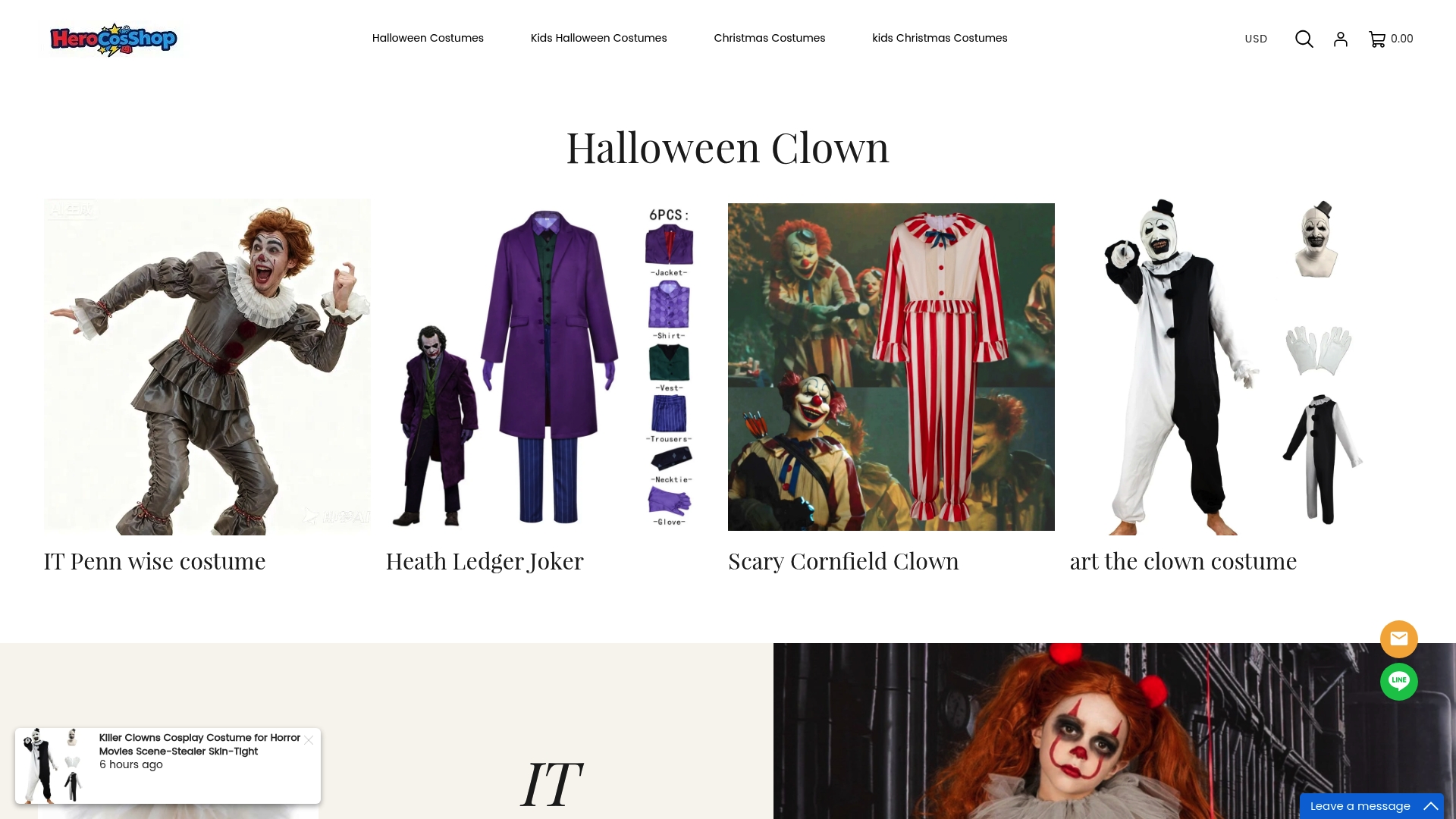
If sewing a haori or shaping foam armor is not how you want to spend your week, HeroCosShop's costume collections give you a direct shortcut to a finished look. Browse the Halloween costume categories for character-driven and themed outfits, or check the kids' costume sizes if you are dressing a family member for a convention or a Halloween event. For darker, horror-leaning character ideas, the clown costume collection and pieces like the Killer Clowns cosplay costume cover that angle well, and the Christmas costume collection fills the same role for winter-themed events. Start with whichever collection matches your character and skip straight to wearing it.
FAQ
What is the easiest anime to cosplay?
Series with simple, solid-color outfits and recognizable accessories are the easiest starting point, which is why closet cosplay guides often point to Naruto and Anya Forger. Both can be assembled from thrifted basics plus one wig or accessory, with no sewing required.
Which anime character can I cosplay?
Match the character to your closet and skill level rather than starting from a favorite character and working backward. A simple test works well: if you can picture the outfit built from clothes you already own plus one accessory, like L's plain shirt and messy wig, it is a strong first pick.
What is the hardest character to cosplay?
Characters with detailed armor, structured period clothing, or prosthetic props, such as Edward Elric's automail arm or Violet Evergarden's Victorian dress, tend to be the most demanding builds on this list. They require foam shaping, more advanced sewing, or both, and they are better suited to a second or third cosplay project once you have built basic skills.
What should I cosplay at an anime convention?
Pick a character whose silhouette and color you can recreate comfortably for a full day of walking, standing, and photos, since comfort often matters more than complexity. Check the convention's prop and costume policy ahead of time, since rules on peace-bonding and prop materials, like those published by Katsucon, vary slightly by event and can affect what you are allowed to bring.
Sources
- Prop and Costume Guidelines – Katsucon
- Props policy – Anime Los Angeles
- 10 Closet Cosplay Ideas For Anime Fans - Crunchyroll News